If you have noticed shifting costs and tighter supply in the lubricant market recently, you are not alone. In fact, across the entire industry, businesses are navigating a complex and highly volatile market.
Ultimately, lubricants rely on an intricate, deeply connected global supply network. Therefore, when multiple inputs are disrupted at the exact same time, the entire system comes under immense pressure. Today, we want to pull back the curtain on the global factors driving these changes. Specifically, we will explain how a domino effect across the supply chain impacts the finished product.
The Trigger: A Global Disruption with Massive Reach
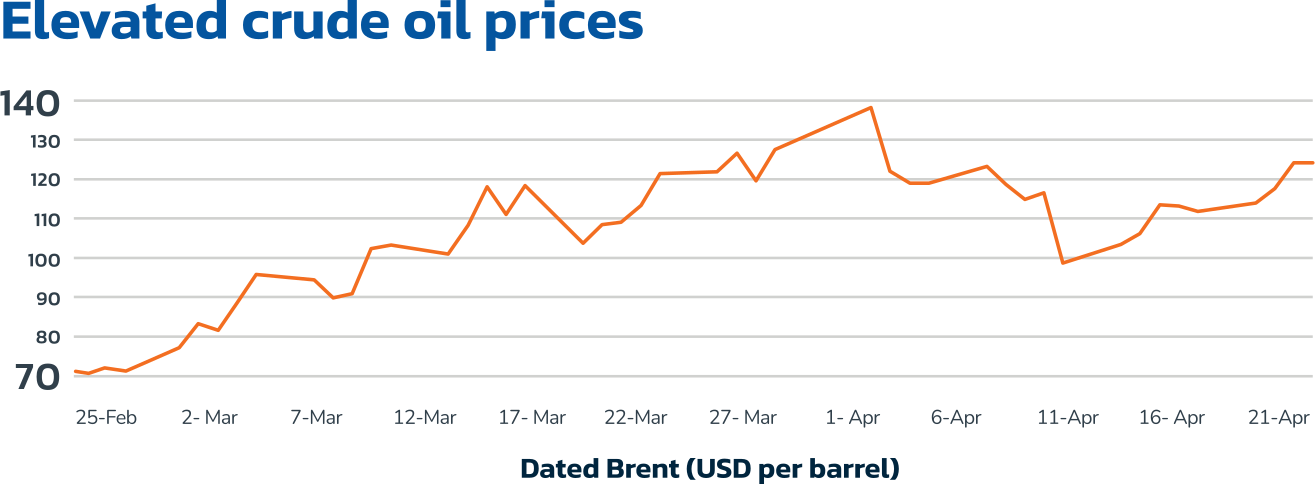
The current market volatility stems from ongoing geopolitical disruptions in the Middle East, specifically within the Strait of Hormuz. Because this region is a vital artery for the world’s energy sector, the impact has traveled rapidly across global markets:
20% of Crude Oil Trapped
Shipping disruptions have effectively reduced the volume of oil reaching global markets, consequently driving crude prices steadily upward.
Base Oil Production Losses
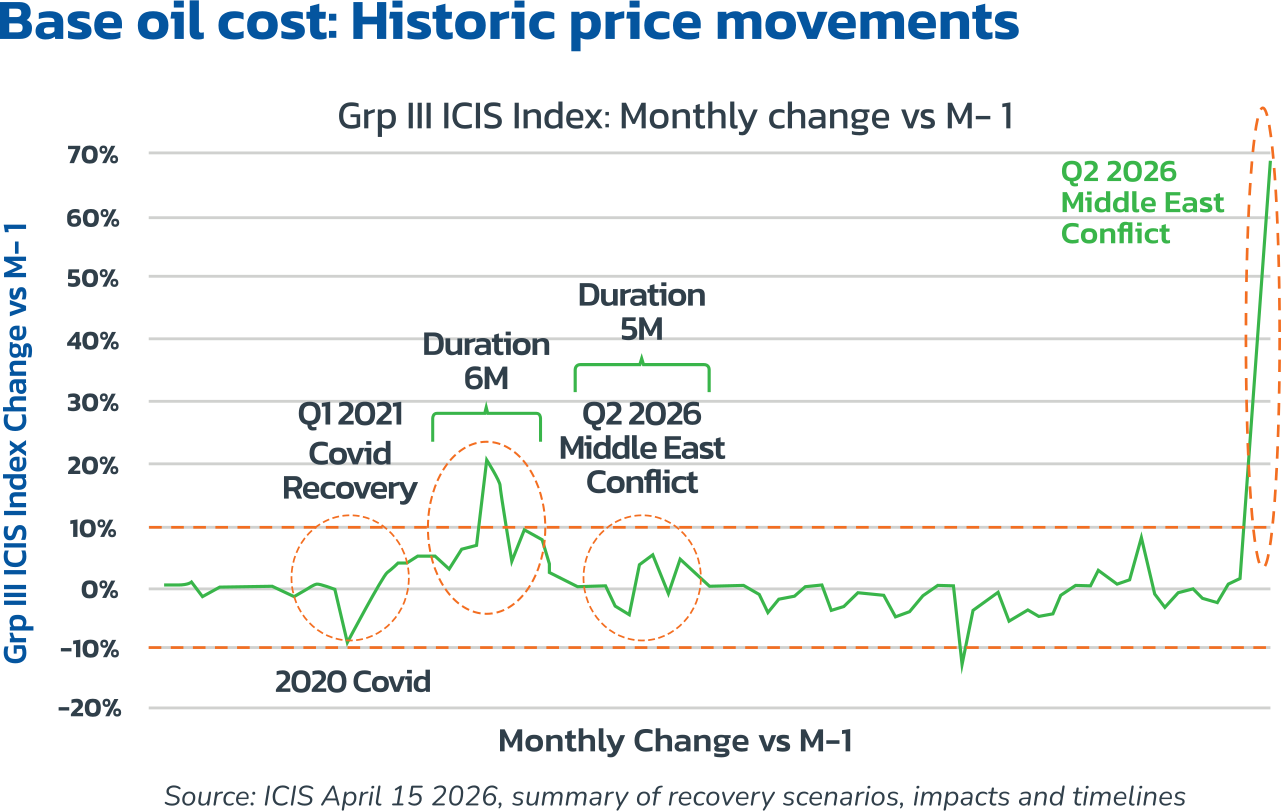
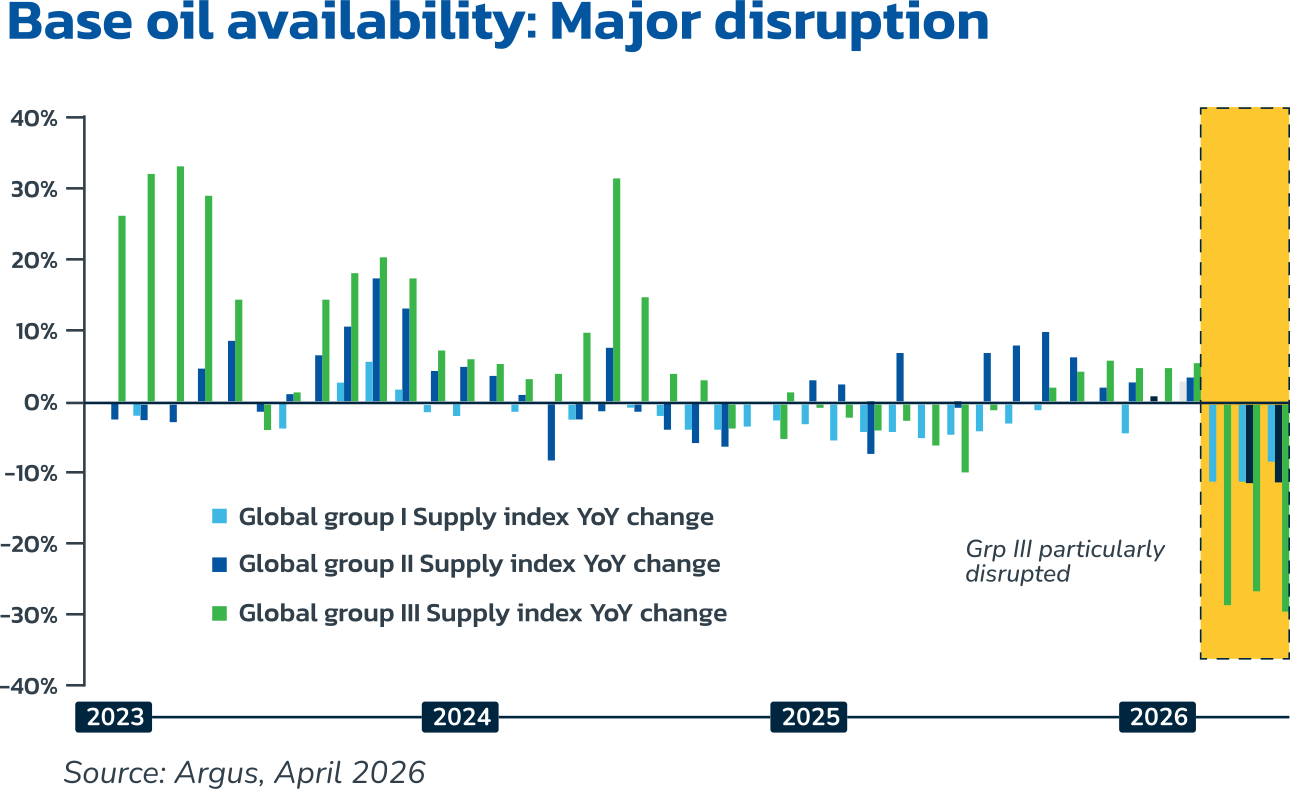
In addition, major production facilities in the Middle East have suffered capacity losses due to structural damage, thereby severely altering the global base oil market situation.
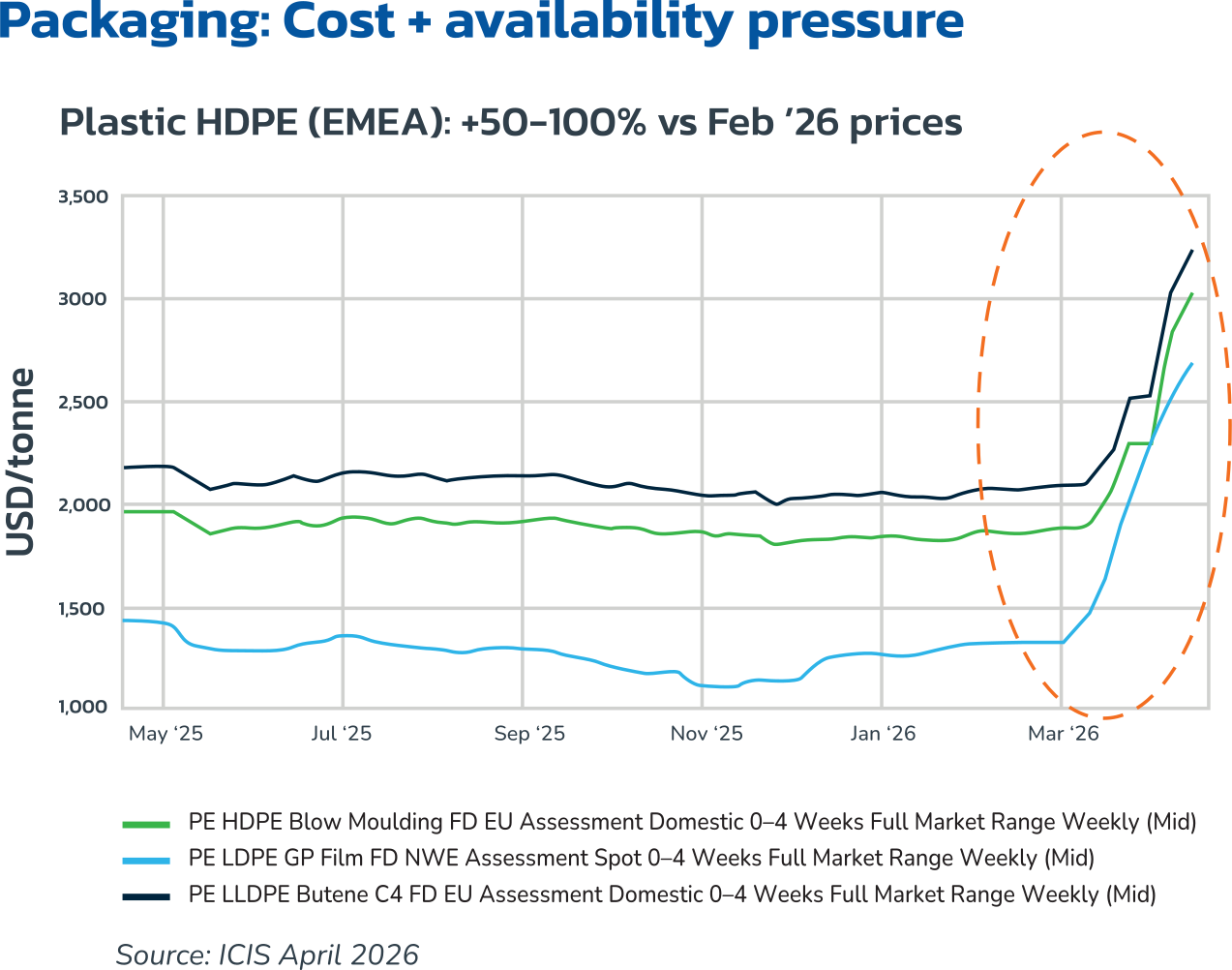
As a result, this initial supply shock has sent a ripple effect worldwide, making raw materials simultaneously harder to source and significantly more expensive.